First in class.
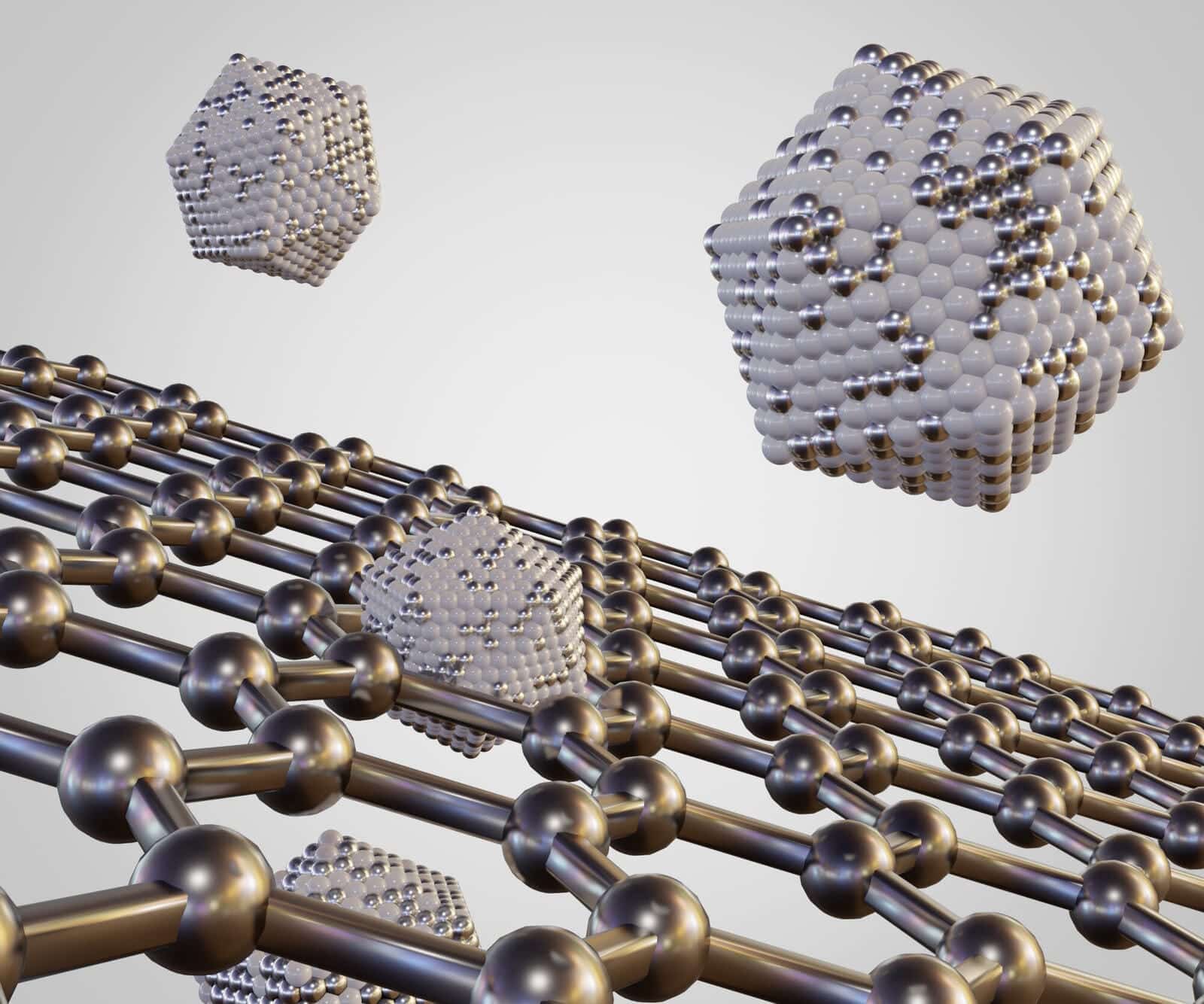
Swrd & Shyld isn’t a single material. It’s a new design philosophy — permanently integrating incompatible chemistries into a stable, safe, self-cleaning whole.
Uncompromising. Unparalleled.
Unmatched power & longevity
Superior kill power that never diminishes over the life of the product.
Dual action
Self-cleaning oxidation and contact-kill antimicrobial in a single particle.
More sustainable
More eco-friendly than incumbents — metal-free and zero-leaching.
Lower cost
Built from proven, affordable materials — premium performance, sensible economics.
Compliant, now & forever
Designed for global regulatory approval as legacy biocides are banned.
Endlessly versatile
Applies as a varnish, coating, sol-gel, paint — or mixed straight into materials.
Compared against 20 leaders.
We measured Swrd & Shyld against the leading antimicrobial technologies across efficacy, durability, environmental safety, compliance, versatility and cost. Higher is better.
Removes organic stains — without the harsh chemistry.
Photocatalytic oxidation breaks down red wine, coffee, tea, juice and sauces on carpets, upholstery and textiles — safely, and without bleach.
| Method | Mechanism | Typical duration | Fabric damage | Environmental impact |
|---|---|---|---|---|
| Swrd & Shyld | Photocatalytic oxidation | 30 min – few hours | Very low | Eco-friendly, non-toxic |
| Traditional bleach | Harsh chemical oxidation | Rapid (minutes) | High | Toxic, environmental risk |
| Detergents & surfactants | Surfactant action | Multiple wash cycles | Moderate | Moderate |
| Enzymatic cleaners | Enzyme breakdown | Moderate to slow | Low–moderate | Biodegradable, limited scope |
| Stain-protectant sprays | Surface barrier | Prevention only | Low | Moderate concern |
This analysis draws on publicly available data — competitor specifications, peer-reviewed studies and regulatory filings. It is an illustrative comparison of key attributes, not the result of independent head-to-head lab testing. For custom validation, contact our team.
The old chemistries are being banned.
The metal-based and leaching biocides the industry has relied on for durable coatings are being withdrawn worldwide, for toxicity, aquatic harm and resistance. Our non-leaching, non-toxic additive is built to replace them.
| Active substance | Est. market share | Regulatory status | Verdict |
|---|---|---|---|
| Silver, silver ion & nano-silver | ~35% | EU/UK BPR review, aquatic and suspected reproductive toxicity | Under review |
| Copper & copper compounds | ~10% | BPR review, marine and regional bans | Restricted |
| Zinc pyrithione | ~5% | Reclassified reprotoxic, EU cosmetic ban 2022 | Being banned |
| OBPA (organoarsenic) | ~8% | Arsenic-based, withdrawn and non-approved in the EU | Banned |
| DCOIT & isothiazolinones | ~12% | Sensitiser, restricted and under review | Restricted |
| Triclosan | ~5% | Non-approved under EU BPR, FDA banned in soaps | Banned |
| Bonded silane-quat (Si-Quat) | ~5% | BPR review, being withdrawn | Being withdrawn |
| Organotins (TBT) & cybutryne, marine | Marine | Banned under the IMO AFS Convention | Banned |
| Zinc oxide, IPBC & other organics | ~20% | Mostly still permitted | Permitted |
Metal-based actives alone are 55% of the antimicrobial additives market (Grand View Research, 2025), and every one is under regulatory pressure. Individual active-substance shares are estimated. Regulatory statuses are matters of public record. Sources: IMO AFS Convention, EU and UK Biocidal Products Regulation, US FDA.